

Why WaterBow Works
WaterBow is your best investment in longevity
It’s not just about living longer. It’s about living better—with the strength to hike, the mobility to travel, the energy to play with grandkids, and the independence to do it all on your terms.
Science calls these your ‘quality years’—or healthspan: The years you’re vibrant, independent, and pain-free. Four pillars of longevity determine your healthspan. WaterBow strengthens 3 of them.
The 4 Pillars of Longevity
The single most powerful longevity intervention. WaterBow delivers functional strength, stability, and balance training.
Sleep, tissue health, and freedom of movement. WaterBow improves mobility, releases fascia, and reduces stress for better sleep.
Metabolic health through balanced eating. (WaterBow complements your nutrition plan with movement.)
Stress management and mental wellbeing. WaterBow’s calming sounds and flow state reduce anxiety and bring joy.
Why This Matters for You
Most fitness equipment addresses only one pillar—usually exercise alone. WaterBow is unique because it simultaneously strengthens your body, improves your mobility, and calms your mind. When you address three pillars at once, you don’t just add years to your life. You add life to your years.
The Physics of Water: Why It Works
The Multiplier Effect
When you move with WaterBow, the water’s instability creates forces your body responds to instinctively—activating muscles and systems traditional equipment misses.
Water resistance increases exponentially with speed—doubling your movement speed quadruples the resistance. Your body works smarter, not harder.
Water instability engages more of your stabilizing muscles than a static weight.
Based on fluid dynamics principles
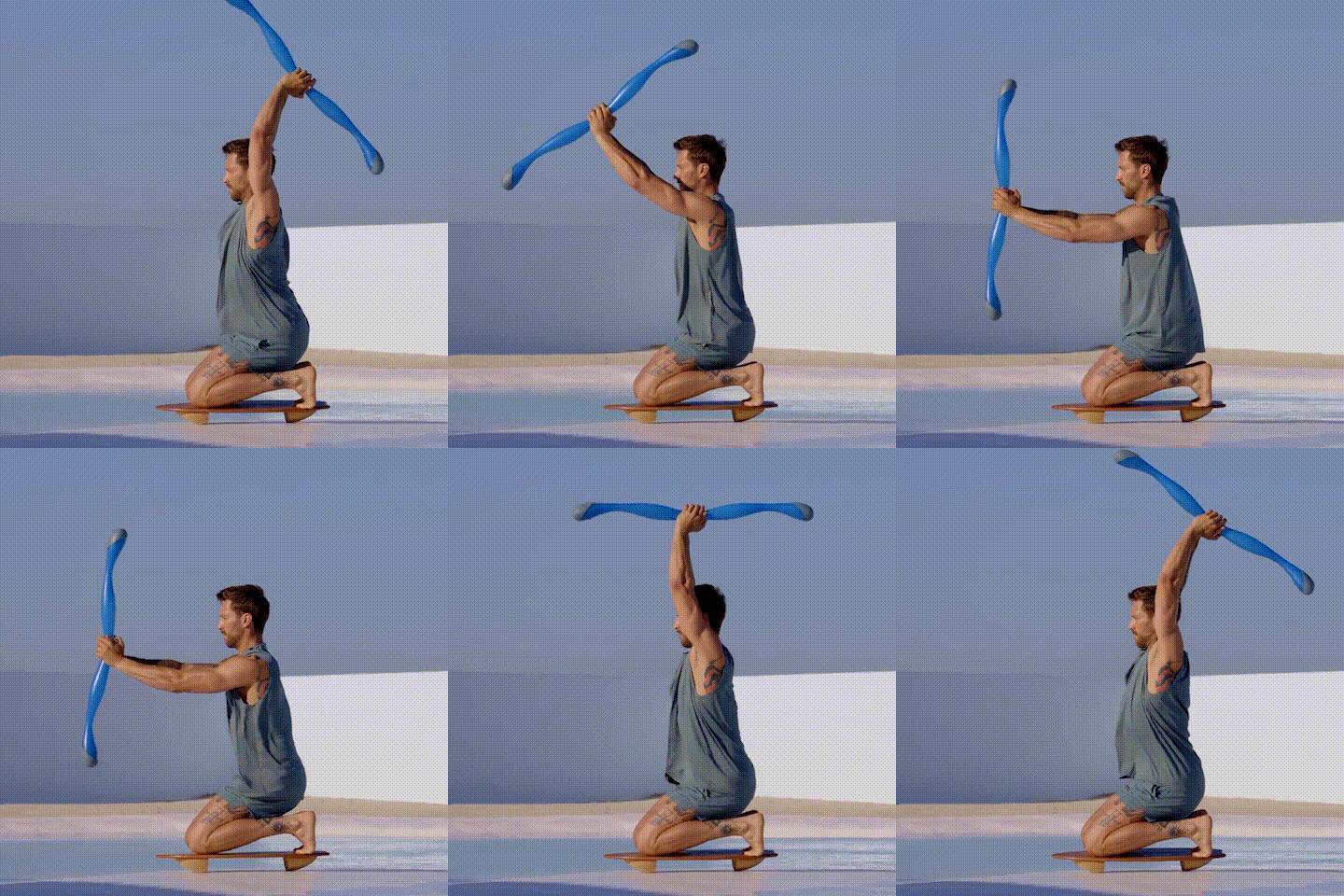
WaterBow
2x Speed
4x Resistance
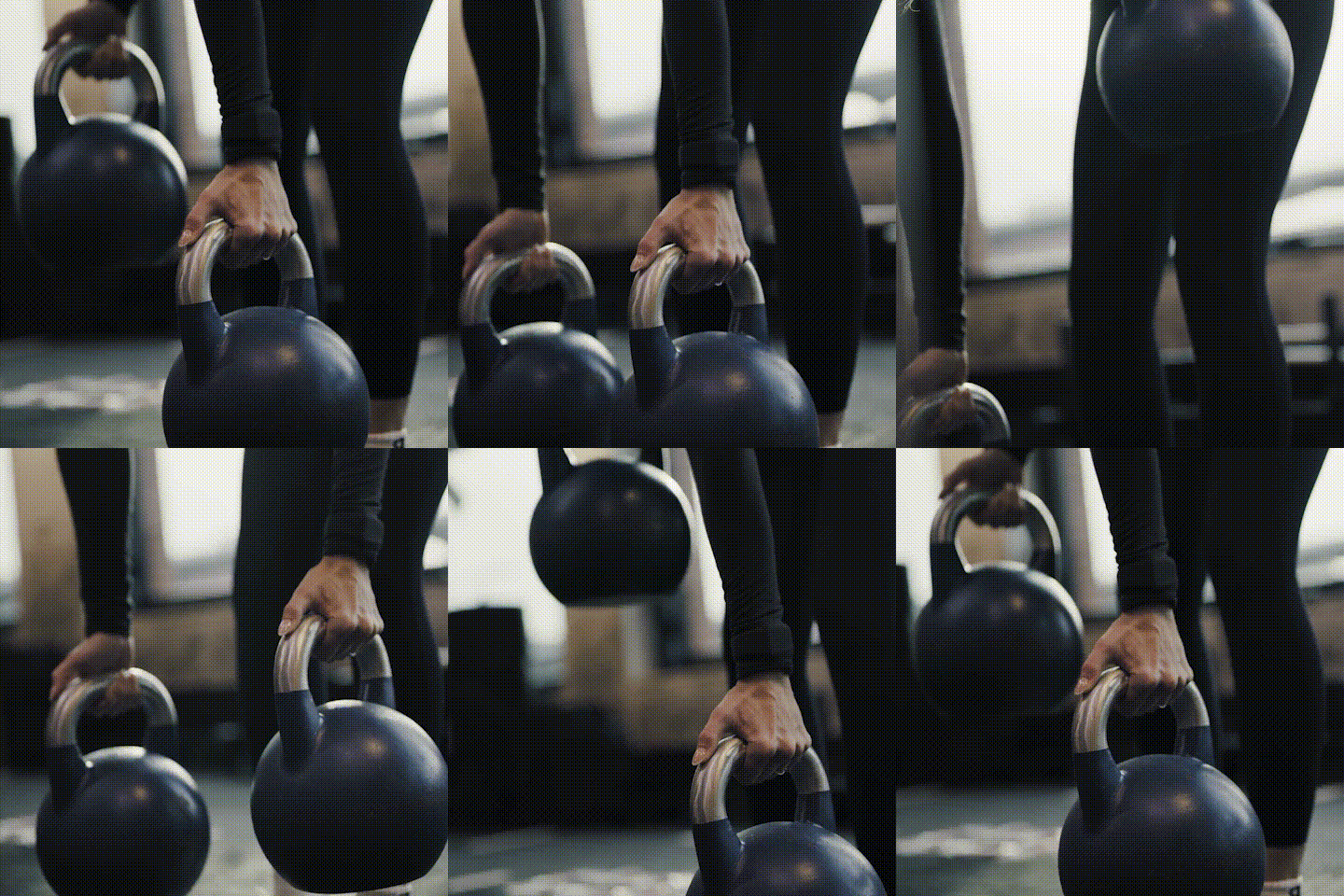
Static Weights
1x Speed
1x Resistance
Four Water Effects
Instability
Effect
As water shifts unpredictably, your body automatically engages deep stabilizer muscles—the ones that support your spine, prevent falls, and give you real functional strength.
Vibration &
Fascia Effect
Subtle vibrations from moving water stimulate your fascia—the connective tissue web throughout your body. Fascial tissue transmits force 6–10× faster than muscle fibers, making WaterBow’s gentle oscillation especially effective for mobility and tension release.
Adaptive Resistance
Water’s natural resistance adapts to your movement speed—gentle when you need it, challenging when you’re ready. The faster you move, the more resistance you create. No weights, no strain, no risk of injury.
Neuromuscular Reflex
As water accelerates and shifts, your nervous system responds instantly—increasing body awareness, improving balance, strengthening reflexes, and training your body to stabilize before it moves. Essential for fall prevention and coordination.
Your Challenges, WaterBow's Solution
- Targets the deep core muscles that support your spine, not just the surface muscles
- Gentle, flowing movements instead of pushing through reps
- Releases tension without strain
- No forced stretching or static holds
- Dynamic movements naturally increase range of motion
- Your body opens up without ever feeling pushed
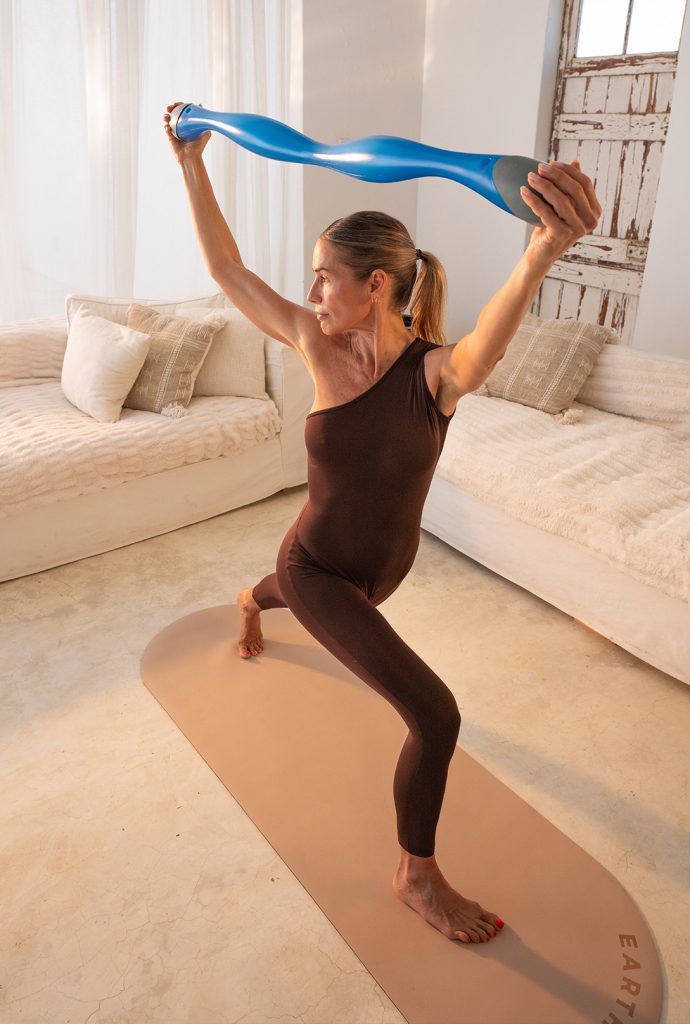
- Flowing water sound calms your nervous system
- Rhythmic dance-like movements engage your mind
- Natural flow state—time disappears, stress melts away
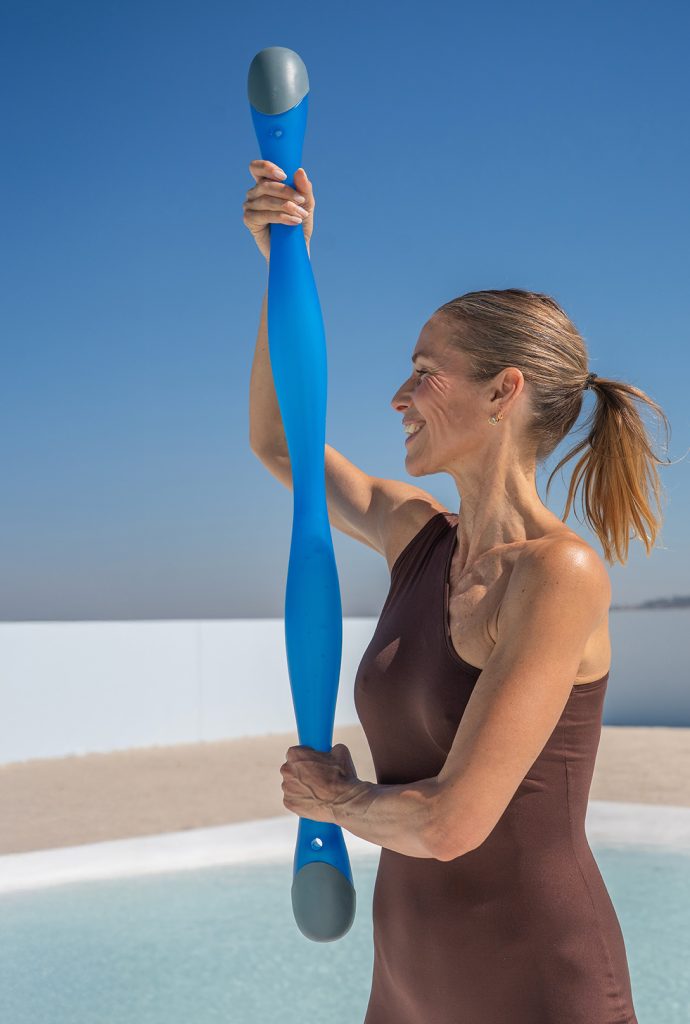
Your WaterBow Journey




The Science Behind WaterBow
How Your Body Responds to Moving Water
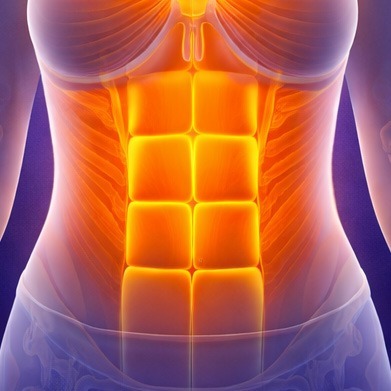
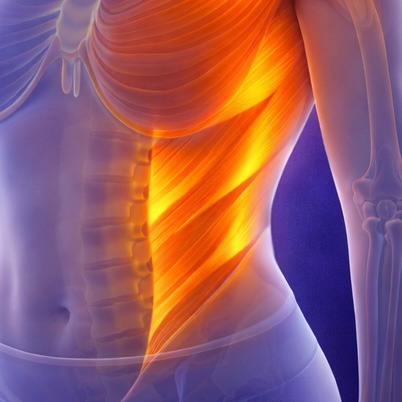
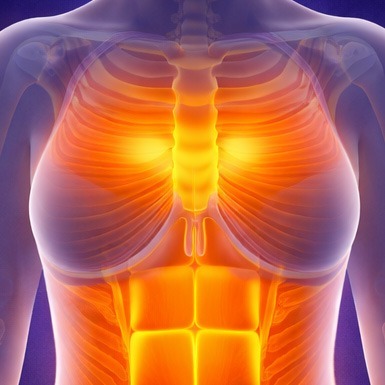
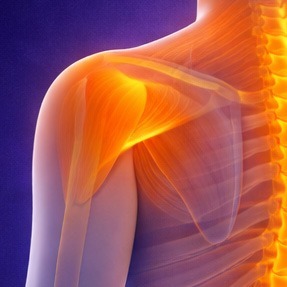
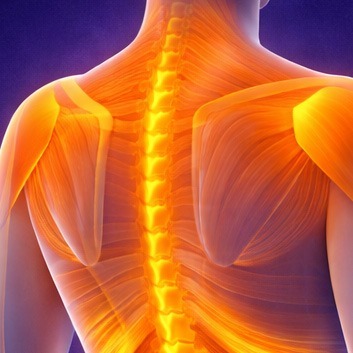
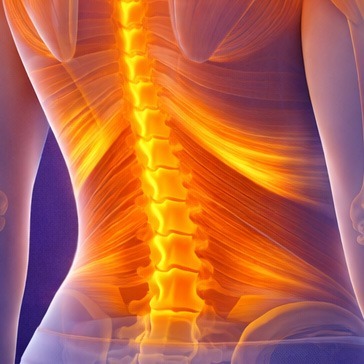
When the water shifts inside the bow, your body has to respond to keep the movement under control. That response doesn’t come from one muscle. It runs through your core, back and shoulders at the same time.
Six Major Muscle Groups Activated
What That Means for You
Your stabilizers are the small, deep muscles beneath the big ones, close to your spine and joints. You can’t flex them on purpose. They respond to small, unexpected shifts in load. A static weight lets your body brace once and repeat. Moving water keeps asking it to adjust, the way everyday life does when a dog tugs the leash or the ground shifts underfoot. And because the water does the work, you train those muscles at a light, joint-friendly weight. The sound of the water helps too. Most people find it calming, and a session feels more like flow than exercise.

Supporting Research Findings
More side-core activation from moving water than from a static weight of the same mass.
Of training with a water-filled tube led to steadier muscle control during a balance challenge in young adults.
Deep back muscles work hardest with instability at light loads. At heavy loads the effect disappears.
Early Evidence & Real-World Results
Why This Research Matters for You
You’ve probably tried fitness equipment that promised results and didn’t deliver. WaterBow is different. The physics of water creates effects that traditional equipment simply can’t replicate, and our early tests in Germany showed it. Now we’re collaborating with US universities, educators and clinicians to take that research deeper.
And the results speak for themselves.
Physical therapists use WaterBow with their patients for both rehabilitation and prevention. It's gentle enough for early recovery, and it keeps building strength as people progress.
We're collaborating with the University of St. Augustine for Health Sciences, Tarleton State University and South Plains College, along with clinicians like Dr. J.T. Anderson, DC, on research and movement protocols.
At the same weight, moving water made the side core, lower back and hips work harder than a barbell or a sandbag did, because the body had to keep steadying the water (Calatayud et al., 2015).
When the water inside a tube is free to move, the back and shoulder muscles have to keep adjusting (Glass, 2016).
Water-filled loads shift balance control toward the body's own sense of position rather than vision (Ditroilo et al., 2018).
The Canadian Society for Exercise Physiology recommends this kind of instability training for rehab, older adults and recreationally active people, alongside regular strength work (Behm et al., 2010).
Across 28 studies of instability training, the extra activation in the deep back and core muscles showed up at light loads and disappeared once the load got heavy (Bao et al., 2025). That is why WaterBow is built at the light end: a 1.5-litre bow isn't a weak dumbbell, it's a different tool for different muscles.
Fascia, the connective tissue that wraps every muscle, holds an estimated six to ten times more sensory nerve endings than muscle itself, many of them sensing position and movement (Schleip). That is one reason a moving load is felt so differently from a still one.
Nearly everyone in our US community tells us what a difference it has made to how their back and neck feel.
They also tell us how it keeps their mind engaged, and how calm and less stressed they feel after a session.
Over 90% say they look forward to their sessions, and that's what keeps them coming back.
WaterBow’s unique water-based resistance system is patented technology. Unlike pool equipment or generic water-filled balls, it’s specifically engineered for the optimal amount of instability—challenging enough for results, safe enough for daily practice.
Real People, Real Results
Testimonials from our established training community in Germany.
Start Your Longevity Journey Today
Experience the gentle power of water-based movement. Order now—limited launch edition available.
This is your invitation to move better, feel stronger, and thrive for life.